оставить сообщение
Если вы заинтересованы в нашей продукции и хотите узнать более подробную информацию, пожалуйста, оставьте сообщение здесь, мы ответим вам, как только сможем.
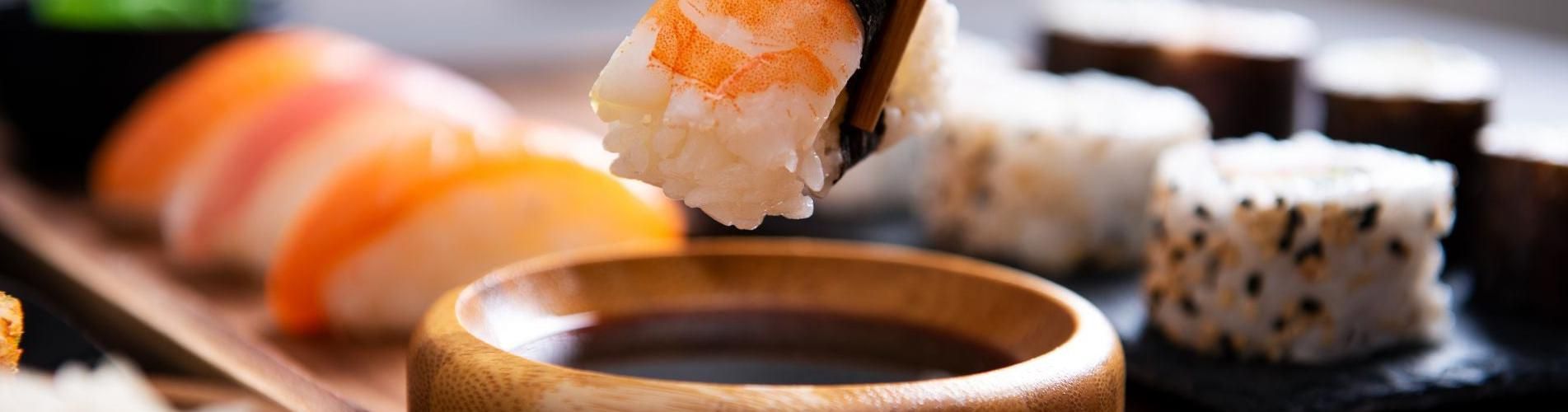
Rice vinegar is the secret behind restaurant-quality sushi rice and bright, balanced salads. If homemade sushi tastes flat, this guide delivers exact recipes, proportions, and techniques for dressings and seasoned rice. Readers learn to build sushi rice and dressings with confidence, using rice wine vinegar as a reliable pantry staple.
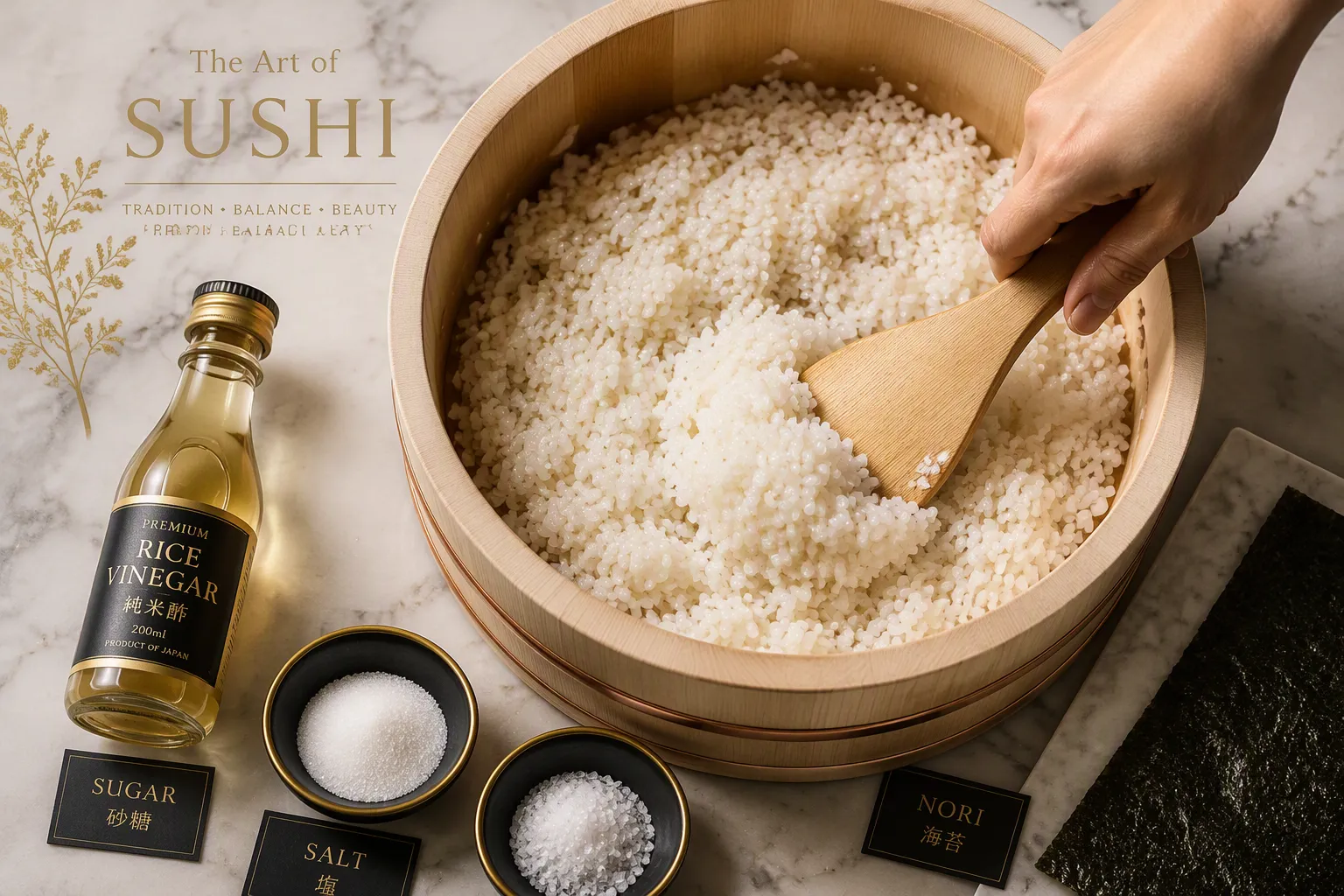
The classic ratio pairs 2 cups of cooked short-grain rice with 2 tablespoons of rice vinegar, 1 tablespoon of sugar, and 1 teaspoon of salt. This blend forms a classic sushi vinegar.
|
Component |
Amount (per 2 cups cooked grains) |
|---|---|
|
Cooked short-grain rice |
2 cups |
|
Seasoning vinegar |
2 tbsp |
|
Sugar |
1 tbsp |
|
Salt |
1 tsp |
Rinse the raw grains until the water runs clear. Cook them, then spread the hot grains into a wide bowl. Warm the sugar, salt, and liquid in a small pan over low heat until the solids dissolve. Drizzle the mixture evenly over the bowl. Fold gently with a spatula; never stir or press. A broad paddle works better than a metal spoon because it will not crush the grains. Fan the bowl until the grains reach room temperature. The cooled sushi vinegar coats every grain with a glossy finish and a firm bite. A wide wooden tub absorbs excess moisture and speeds cooling. Work quickly while the grains stay warm, because they absorb seasoning best at that stage. Skip refrigeration; cold air firms the starch and dulls the shine. Season the mixture to taste before it touches the grains; once folded in, correction becomes difficult.
A deeper flavor comes from steeping a piece of kombu in the warm seasoning liquid, or adding a small splash of soy sauce. Both options build umami without masking the grain. Kombu needs only a brief steep before removal; a long soak can turn the seasoning slippery. Seasoned grains then work beautifully in hand rolls: press a thin layer onto nori, add fish or vegetables, and roll into a cone. Keep the nori dry until the moment of assembly, and fill each cone loosely so the seam holds.
A mild, mellow bottle such as Pearl River Bridge Rice Vinegar (fermented from GMO-free rice, gluten-free) suits the bowl without overpowering other flavors. Its smooth profile makes authentic sushi vinegar simple to achieve at home. Cooks who want pure rice vinegar flavor can rely on this pantry staple. The method delivers easy sushi rice for weeknight rolls. A gentle hand produces authentic sushi rice every time. Home cooks can build sushi rice with ease after one practice batch. These recipes scale easily for larger gatherings. A bottle of Rice Vinegar for Sushi deserves a permanent spot on the shelf.
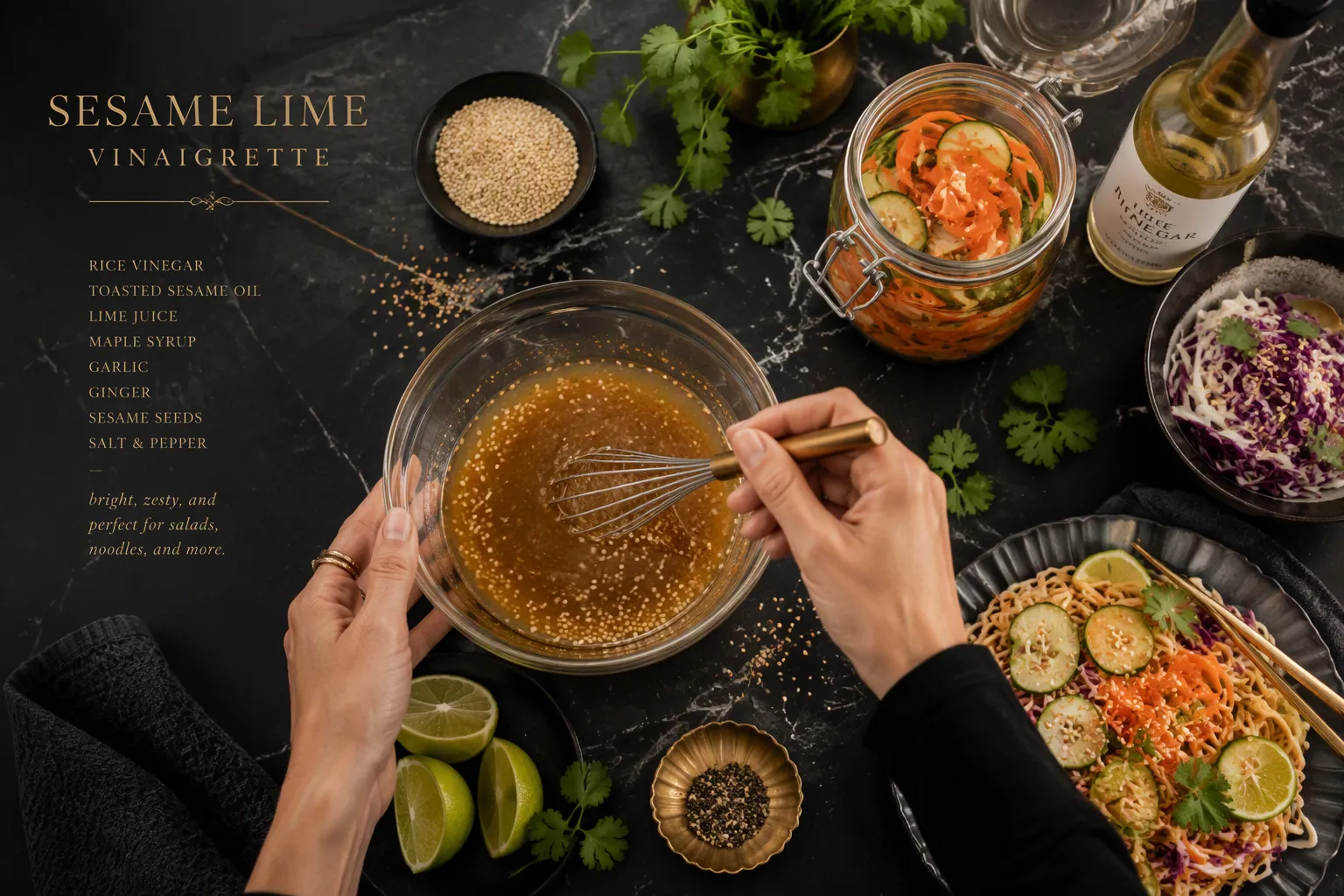
A classic vinaigrette follows a simple ratio: three parts oil to one part vinegar. This balance lets the dressing coat leaves without turning greasy or sharp. Sushi vinegar brings mild acidity to that formula. Its gentle tang lifts lettuce salads and heartier slaws alike. Cooks who spot rice wine vinegar on a label should know the term describes the same family of product. Rice wine vinegar and rice vinegar both come from fermented rice, and stores often use the names interchangeably. A bottle labeled rice wine vinegar works well in dressings and sauces for grain and noodle bowls.
Start with three tablespoons of olive oil and one tablespoon of rice wine vinegar. Add a pinch of salt and a teaspoon of honey, then whisk until the mixture emulsifies. This dressing ratios template scales easily. For an Asian-style japanese vinegared salad, swap in toasted sesame oil and a splash of soy. A citrus herb slaw benefits from rice wine vinegar plus lime juice and chopped cilantro. Toss shredded cabbage with the dressing just before serving so the slaws stay crisp. Many slaws improve after a short rest in the fridge. Noodle salads also welcome a light hand. A ginger scallion noodle salad pairs rice wine vinegar with grated ginger, scallion, and neutral oil. Both noodle salads taste best with modest acid, because rice wine vinegar is milder than distilled vinegar. That mildness suits seafood and shellfish dishes and stir fry finishes that need a bright note without heat.
Quick pickles need only vinegar, salt, sugar, and a brief rest. Warm the vinegar with the sugar and salt first. Slice cucumber, carrot, or radish thin, then cover the vegetables with a mixture of half a cup of rice wine vinegar, half a cup of water, one teaspoon of salt, and one tablespoon of sugar. Rice wine vinegar keeps the brine gentle. Refrigerate for thirty minutes. The result is a crisp sunomono that suits sushi or rice bowls. A second sunomono variation adds a strip of kombu for depth. These quick pickles keep for several days in a sealed jar. Serve the pickles with rice and grilled fish.
For a dipping sauce, combine two tablespoons of rice wine vinegar, one tablespoon of soy sauce, and a teaspoon of sesame oil. A splash of sushi vinegar sharpens the dip. The smooth profile of Pearl River Bridge Rice Vinegar pickles and dips without overpowering seafood or dumplings. Its clean finish also supports pure rice vinegar character in sushi rice seasoning. Use the same sauce for dumplings, spring rolls, poached shrimp, or rice. A spoonful of the vinegar stirred into a finished stir fry brightens the plate. A bottle of Rice Vinegar for Salad Dressings earns its place on the counter. Home cooks can treat this pantry staple as a daily go-to for salads and slaws, noodle salads, and quick pickles. The gentle tang never dominates, and the rice base keeps flavors clean.
Two tablespoons of rice vinegar, 1 tablespoon of sugar, and 1 teaspoon of salt season 2 cups of cooked rice for sushi rice. Dressings and salads follow three parts oil to one part vinegar.
This mild, versatile vinegar invites adjustment of sweetness and acidity. Cooks can now test the umami variation and the quick pickles.
Rice wine vinegar is plain fermented rice vinegar. Sushi vinegar is that same vinegar blended with sugar and salt. A cook can buy either one, or season rice wine vinegar at home.
Yes, with care. Rice wine vinegar is milder than distilled vinegar, so a stronger bottle needs a smaller pour. The three-to-one oil-to-vinegar ratio stays the starting point for salads.
A sealed jar holds the pickles for several days in the refrigerator. The brine of rice wine vinegar, water, salt, and sugar stays gentle, so cucumber, carrot, and radish keep their crisp texture.
 Подпишитесь на нашу рассылку, чтобы оставаться в курсе


 IPv6 ПОДДЕРЖИВАЕМАЯ СЕТЬ
Hi! Click one of our members below to chat on

 Книги рецептов
 PRB Soy Sauce Museum
 русский
 English
 français
 русский
 español
 العربية